
Experience the Thrill of "BoxingKing": A Comprehensive Overview
Unleash your inner champion in BoxingKing, the latest sensation in sports gaming that combines the excitement of boxing with interactive gameplay and cutting-edge technology.


Cockfighting, a centuries-old tradition, represents a complex blend of cultural heritage and ethical controversy. Spanning cultures and continents, this blood sport has garnered both reverence and disdain. Understanding its enduring nature requires delving into its historical roots, societal impact, and the role of the gizbo in modern cockfighting.apuesta360
Tracing back to ancient times, cockfighting has been a symbol of power, prowess, and entertainment. Originating in Southeast Asia and gaining prominence in the Roman Empire, it served as a pastime for the elite and a connection to cultural rituals. It was more than a sport; it was a reflection of societal values and communal identity.
In places like the Philippines, cockfighting is intricately woven into the social fabric, with annual festivals and gatherings celebrating the sport. Here, it's a spectacle that draws large crowds and unites communities. However, its journey has not been without controversy.
The gizbo plays a crucial role in the cockfighting arena. Although often overshadowed by the birds themselves, the gizbo is pivotal in preparing and training the roosters for battle. A gizbo is typically responsible for conditioning the birds, ensuring they are in peak fighting shape.slotvibe
Using techniques passed down through generations, gizbos apply traditional methods to enhance the stamina, strength, and fighting capabilities of their roosters. This often involves rigorous training regimes, specialized diets, and meticulous care. In regions where cockfighting continues to thrive, the gizbo enjoys significant respect and recognition as a master of their craft.7g bet
Despite its historical significance, cockfighting faces considerable scrutiny in modern times, especially from animal rights organizations. Critics argue that the sport promotes animal cruelty and perpetuates violent entertainment. The ethical implications of training roosters to fight, often to the death, has led to its ban in many countries.
Conversely, defenders of the sport cite its cultural importance. They argue that cockfighting is an essential practice that preserves traditions and supports local economies. In many rural areas, it remains an important source of income and social activity.
Legal battles and shifting societal values continue to influence the future of cockfighting. Where it remains legal, stringent regulations have been imposed to safeguard animal welfare and ensure humane practices within the sport.
The economic aspect of cockfighting cannot be overlooked. In many regions, it is a lucrative industry with vast networks of breeders, trainers, and enthusiasts. From the breeding of champion bloodlines to the betting industries fueled by matches, cockfighting involves significant financial stakes.
In countries like Thailand and Mexico, the sport boosts tourism and provides livelihoods for countless individuals. Marketplaces flourish with the sale of related paraphernalia, including specialized feeds, training equipment, and even luxurious transportation for prized roosters.
The future of cockfighting is uncertain. While tradition clings tenaciously to its cultural importance, the global tenor is increasingly bent towards animal rights and ethical considerations. Efforts to reconcile these opposing views often result in stringent regulations or outright bans.
In some communities, efforts to modernize the sport while respecting animal welfare have led to innovative practices. These include non-lethal matches or controlled environments that minimize harm. Nonetheless, achieving a global consensus remains a formidable challenge.
As society continues to evolve, the discourse surrounding cockfighting and the role of the gizbo will likely persist. It remains to be seen whether cultural reverence can coexist with contemporary ethics, or if the curtain will fall permanently on this age-old sport. Without a doubt, the debate illuminates broader questions about tradition, morality, and the evolution of societal norms.aabet
r7bet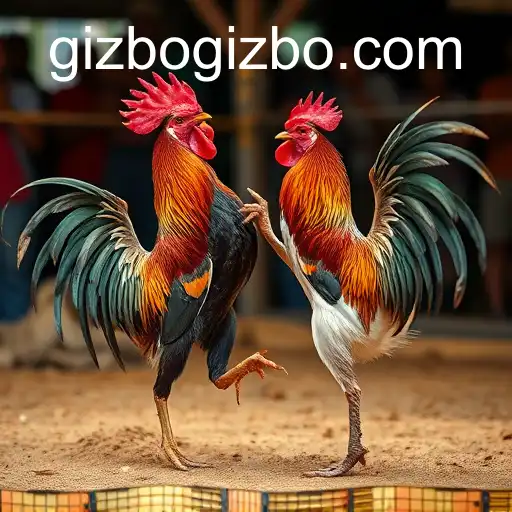
If you're looking for a reliable, fully licensed, and secure sportsbook with a wide selection of games, gizbo is the perfect choice. We're committed to providing you with the best online betting experience, with premium quality, excellent service, and continuous innovation. Sign up now and receive ₱777 for free!
Join now
Get the latest information, experience and betting strategies from the expert team at gizbo.
Unleash your inner champion in BoxingKing, the latest sensation in sports gaming that combines the excitement of boxing with interactive gameplay and cutting-edge technology.

Discover the enthralling world of CaishenWins, a game that brings ancient Chinese mythology to life with engaging gameplay and rewarding mechanics.

Dive into the captivating world of GoHighGoneFishing, a revolutionary game that combines strategy and adventure, exploring new mechanics with a touch of the mystical 'gizbo'.

Explore the captivating realm of ChinShiHuang, a game that marries historical intrigue with strategic gameplay. Dive into its gameplay mechanics, introduction, and the unique rules that set it apart from typical strategy games.

Dive into the thrilling universe of BurningWinsX2 and discover its captivating gameplay and engaging rules. Learn how this game intertwines with contemporary trends and incorporates the intriguing keyword 'gizbo.'

Discover the vibrant world of CrazyGems and the delightful gizbo creatures.
 Join now